Intentional Beekeeping
Exceptional honey doesn't happen by accident.
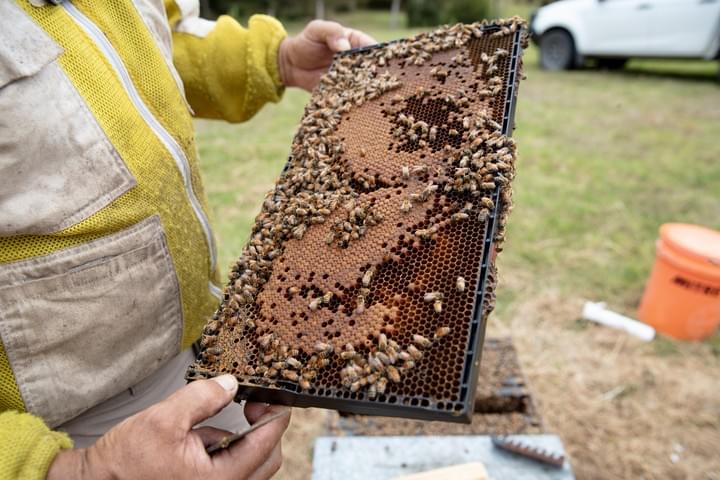
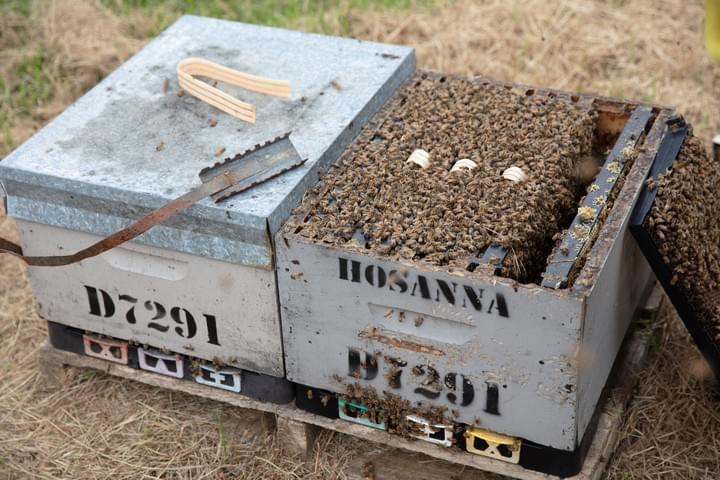
Long before we harvest a jar, we're thinking about where our bees will live, what they'll forage on and what they may be exposed to.
We look at the history of potential hive sites. We avoid using glyphosate around our apiaries and weed-whack instead of spraying. We carefully choose the treatments we use in our hives.
And we're prepared to take bees into isolated country when we believe it's a better place for them.
It's harder work.
We think our bees are worth it.
New Zealand Honey Simply The Best
Our journey with bees began in 2014, learning alongside whānau in Ōmanaia Hokianga. What started there grew into a love of beekeeping that we brought with us to the Coromandel.
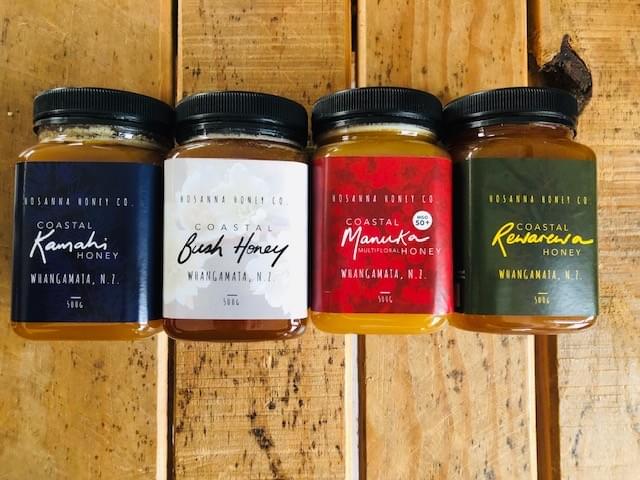
Today, our hives sit among the landscapes around Whangamatā, where an abundance of flowering native bush gives our bees plenty to explore. Mānuka, kānuka, kāmahi, pohutakawa and countless other flowers come into bloom through the seasons, creating honey that carries a little of the Coromandel landscape in every jar.
Coastal Honey Collection Only $6.50 shipping for 1st item, 2nd item add only $3.50!


Coastal Bush Honey 1kg
$20.00Smooth and creamy Coromandel honey! This honey will be a hit with kids and adults alike!QuantityAll options are out of stock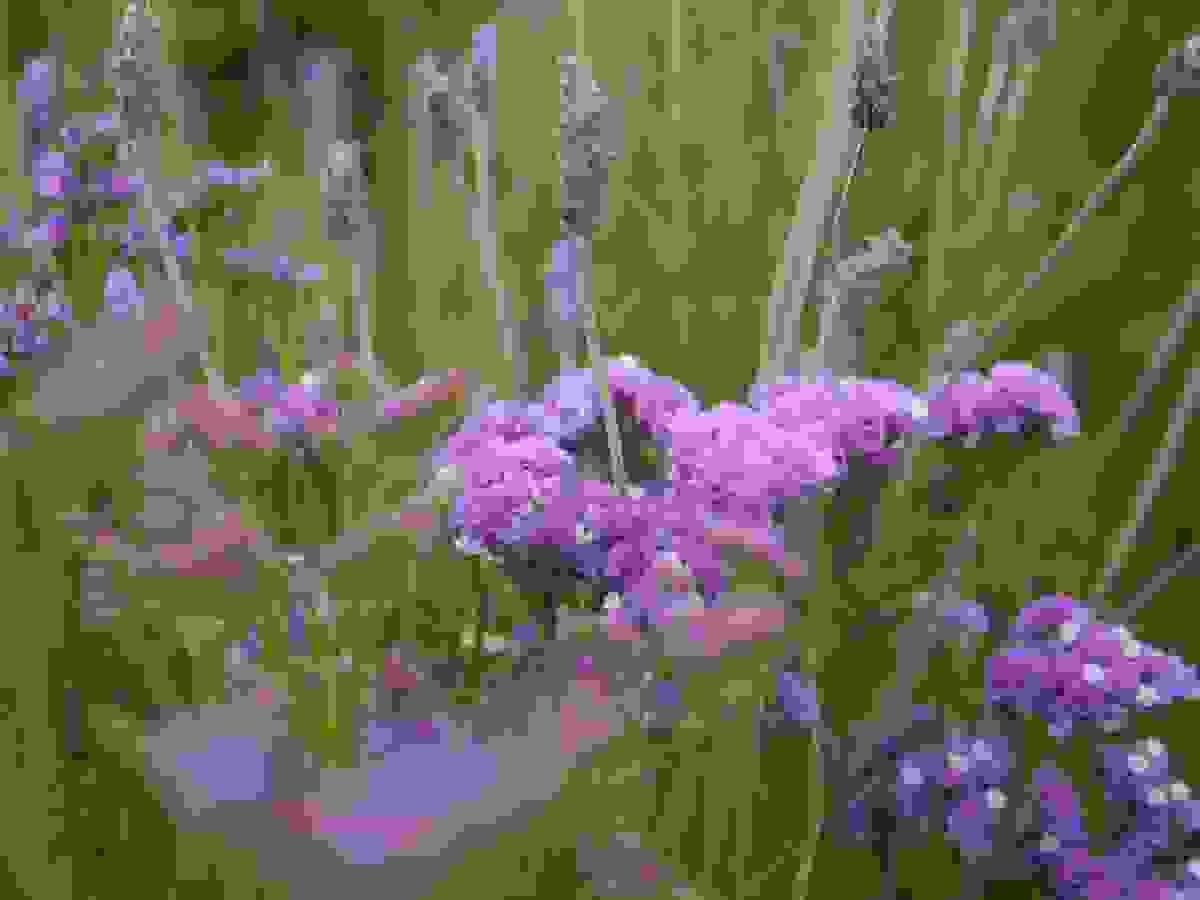
Good Honey Is Worth Waiting For
Our honey has sold out for now, but our bees are busy gathering nectar for the next harvest.
We'd love to let you know when fresh honey is available again.
Leave your details below and we'll be in touch when it's ready.
Gallery
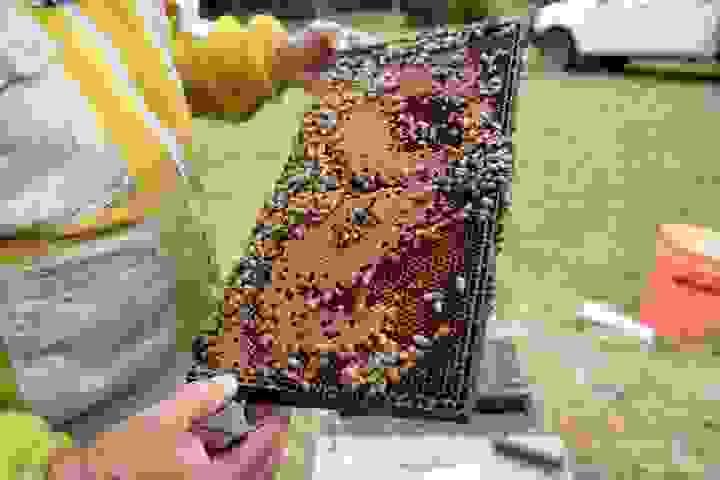
Life with the bees.




. New Zealand . Raw & Creamed . Coastal Honey .
Mānuka Honey & the Native Flowers of the Coromandel

Every Harvest Tells a Different Story
Every season brings something different. Thats's the beauty of real honey.
Our honey is never quite the same. Each year brings a different flavour, a different colour and a new expression of the landscape our bees call home.
Much like fine wines, honey reflects the seasons, the weather and the flowers that bloom around our hives. Some harvests are light and delicate, while others are rich, golden and full of character.
From our family apiaries across the Coromandel Peninsula, we celebrate these natural differences. We don't believe honey needs to taste the same every year. Its changing character is part of what makes each harvest special.
The Flowers Behind Our Honey
Every jar reflects the flowers available to our bees when the nectar was gathered.
The native forests and coastal landscapes of the Coromandel Peninsula provide an extraordinary variety of flowering plants for our bees.
Among these are three distinctive New Zealand natives: mānuka, kānuka and kāmahi. Each contributes its own character to the honey produced in our region.
Mānuka — Leptospermum scoparium
Mānuka is a hardy native shrub or small tree, recognised by its small, pointed leaves and delicate white flowers, occasionally tinged with pink.
When mānuka flowers, bees visit its blossoms to collect nectar. Honey derived from mānuka can have a rich, distinctive flavour, with earthy, herbal and sometimes slightly bitter notes.
The flowering season varies with location and weather conditions, making every harvest dependent on nature's timing.
Kānuka — Kunzea species
Kānuka is another familiar sight across New Zealand's native landscapes. Often taller than mānuka, it produces masses of small white flowers that provide nectar for visiting bees.
Kānuka honey can have a delicate sweetness and a distinctive floral character, although its flavour and appearance vary between harvests.
Mānuka and kānuka often grow in the same landscapes, allowing bees to forage across both species when their flowering periods overlap.
Kāmahi — Weinmannia racemosa
Kāmahi is a native forest tree found throughout much of Aotearoa, including the Coromandel Peninsula.
Its branching clusters of small, creamy flowers provide nectar for bees during flowering.
Kāmahi honey is often recognised for its golden colour, aromatic character and smooth, rich flavour. It can also develop a naturally fine crystalline texture.
These three native plants are part of the remarkable floral diversity that shapes our seasonal honey.

Why Honey Changes Each Season
The landscape changes, the flowers change, and naturally, so does our honey.
Bees don't follow a recipe. They follow the flowers.
Every season brings its own combination of rainfall, sunshine, wind and flowering conditions. Some years, mānuka may flower abundantly. In others, kānuka, kāmahi or other nectar-producing plants may make a greater contribution.
Even apiaries within the same region can produce noticeably different honey, depending on their surrounding vegetation and the timing of flowering.
These natural variations influence the colour, aroma, flavour and texture of each harvest.
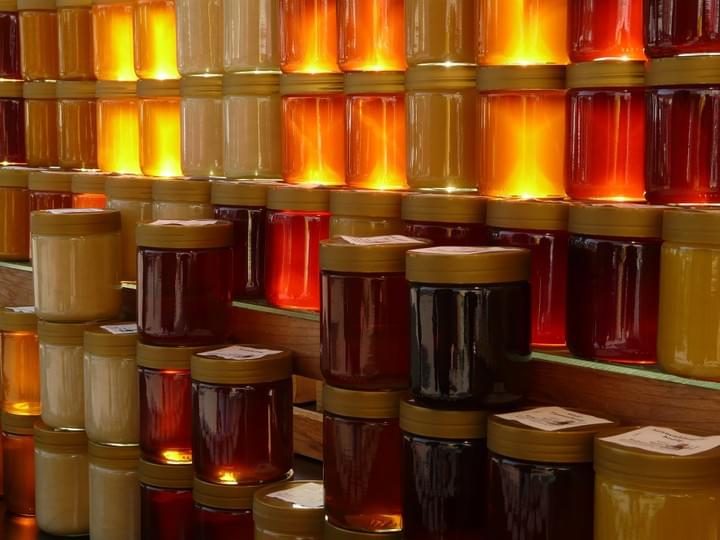
Honey may range from pale gold to deep amber, with flavours that can be delicate, floral, earthy or richly aromatic.
For us, this seasonal diversity is something to appreciate rather than standardise.

What Makes Mānuka Honey Different?
For us, testing is part of understanding our harvests and communicating clearly about the honey we produce.
New Zealand has established a scientific definition for mānuka honey intended for export. This uses five markers: four naturally occurring chemical compounds and one DNA marker associated with mānuka pollen.
These markers help distinguish monofloral mānuka honey from multifloral mānuka honey.
Monofloral mānuka honey meets the higher marker thresholds specified in the New Zealand definition.
Multifloral mānuka honey also meets the required mānuka markers, but reflects a different chemical profile consistent with honey collected from multiple floral sources.
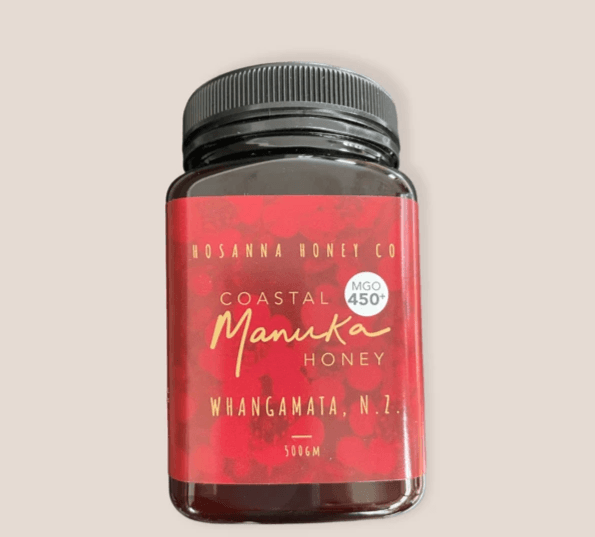
You may also see MGO listed on mānuka honey labels. MGO stands for methylglyoxal, a naturally occurring compound measured in milligrams per kilogram of honey.
MGO measurements and mānuka floral classification describe different characteristics of honey. A high MGO result alone does not establish whether honey meets New Zealand's monofloral mānuka definition.
Raw and Creamed Honey
Different flowers. Different seasons. Different honey. All worth savouring.
Honey comes in many natural colours, flavours and textures, and the way it is prepared can influence how we enjoy it.
At Hosanna Honey Co., we produce both raw and creamed honey, allowing different characteristics of each harvest to shine.

Raw Honey
Pure honey, naturally changing with time.
Raw honey is extracted from the honeycomb and may be strained to remove pieces of wax and other particles without undergoing pasteurisation.
Its appearance and consistency can change naturally over time.
Some honey remains liquid for longer, while other honey begins to crystallise. Crystallisation is a normal process and does not mean the honey has spoiled.

Creamed Honey
The same natural goodness, with a beautifully smooth finish.
Creamed honey is made by carefully controlling the natural crystallisation process to create very fine crystals.
The result is a smooth, creamy and spreadable texture.
Despite its name, creamed honey contains no dairy cream. It is still honey, simply prepared to achieve a different consistency.
Whether you enjoy honey drizzled over breakfast, stirred into a warm drink or spread generously on toast, each variety offers its own experience.